Powering Performance: Why Industrial Electrical Distribution Panels Matter
For businesses that function within industrial operations, efficiency, safety, consistency, and reliability are fundamental to operations. Each machine, process, and production line relies on a constant, consistent power supply to operate effectively. This is where industrial electrical distribution panels in North Carolina come to bear, the unsung heroes of managing, controlling, and distributing electricity across massive facilities and operations. Not only do they help keep the organization and operation going without having to stop, but they also help to ensure safe use of power and better energy efficiency. With this aspect of operations, distribution panels are essential to any kind of industrial operation.

The Backbone of Industrial Power Systems
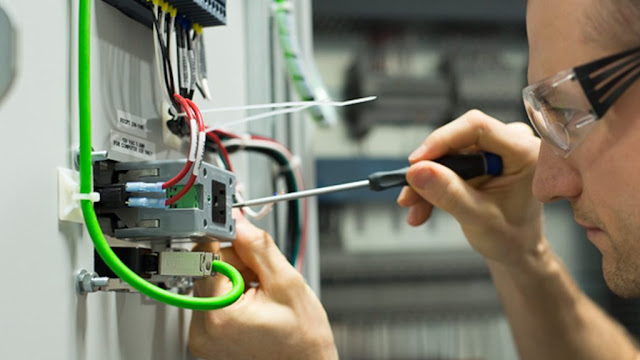
In essence, electrical distribution panels act as the central location for the management of power. They are responsible for receiving electricity from the power source or supply and redistributing it across all equipment and sections of a facility. In any industry where heavy-duty machines and equipment typically run continuously and across multiple sections, these distribution panels help to maintain the power flow and eliminate the potential for overloads. Today's panels are equipped with circuit breakers, located on the front panel, and can be electronically controlled and monitored, which helps to improve safety and even more intelligent power distribution.
Enhancing Safety and Reliability
Industrial distribution panels provide a plethora of benefits in relation to safety in the workplace. They assist in organizing the flow of electricity, protect electrical systems from overloads, faults, and short circuits, and, in doing so, minimize the risk of injury and fire. Additionally, distribution panels contain safety trips that are designed to automatically disconnect power whenever there is an emergency, providing protection to both personnel and equipment. Further to this, when panels are well-maintained, they enhance reliability within the system — this is particularly vital in case studies in manufacturing, chemical processing, and construction, where the costs associated with a power loss could mean the difference between continued production and damaging a piece of equipment.


Comments
Post a Comment